
The rapid transformation of urban areas is one of the most important issues currently faced by architects, as the built environment is constantly shifting. Architecture in the modern city is a dynamic interaction between technology, human needs, sustainability, and smart design. If you want to learn how to become an architect, it is vital to understand these principles.
Modern architects are increasingly focusing on creating smart, efficient, and adaptive cities. With population growth in many regions, designing urban spaces that are both comfortable and long-lasting has become paramount. Architects must consider residential buildings, employment areas, transport networks, and public spaces as interconnected components that require careful coordination and integration. In urban planning, it is as critical to focus on the overall composition as it is to focus on individual buildings.
Environmental consciousness is a key factor in contemporary architecture. The focus has shifted away from purely building-focused thinking to more holistic, eco-friendly strategies. From the concept phase, modern architects consider sustainable materials, reduce energy waste, integrate nature into urban structures, and create systems to mitigate climate change impacts. Sustainability is not merely an option; it is an essential part of the architectural discipline.
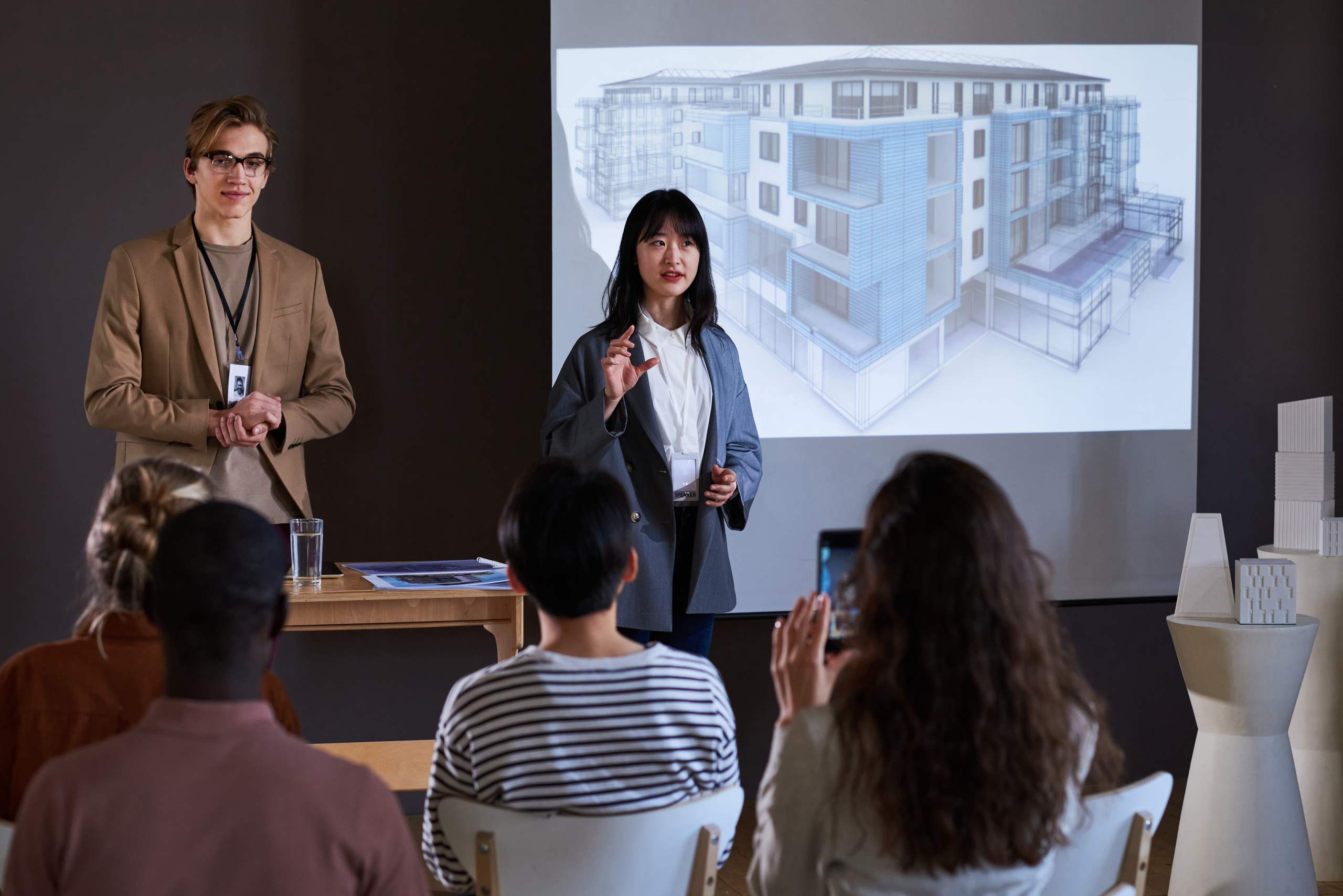
Technological innovation plays a major role in modern architecture. New digital tools, such as 3D modeling and simulation, help to conceptualize, test, and predict how design solutions work in real-world conditions. Architects use such technologies to refine the design process and optimize projects, while students learn to grasp complex systems with greater visualization and accuracy. This integration of advanced software and modeling techniques helps to shape the future of urban living.
Human-centric design continues to be a central concern of architecture. In the most effective architectural projects, buildings are comfortable, functional, and inspiring for the people who use them. The quality of light, flow of movement, spatial atmosphere, and accessibility all matter when architects create for people. Today’s architects are expected to combine technical expertise with emotional and social design thinking.
The role of architecture will change over time to accommodate global challenges. Architects will be responsible for designing cities that are resilient, innovative, and adaptable to new realities. By providing the latest skills and tools, StructDesignPro ensures that students are prepared to face these future challenges head-on.