
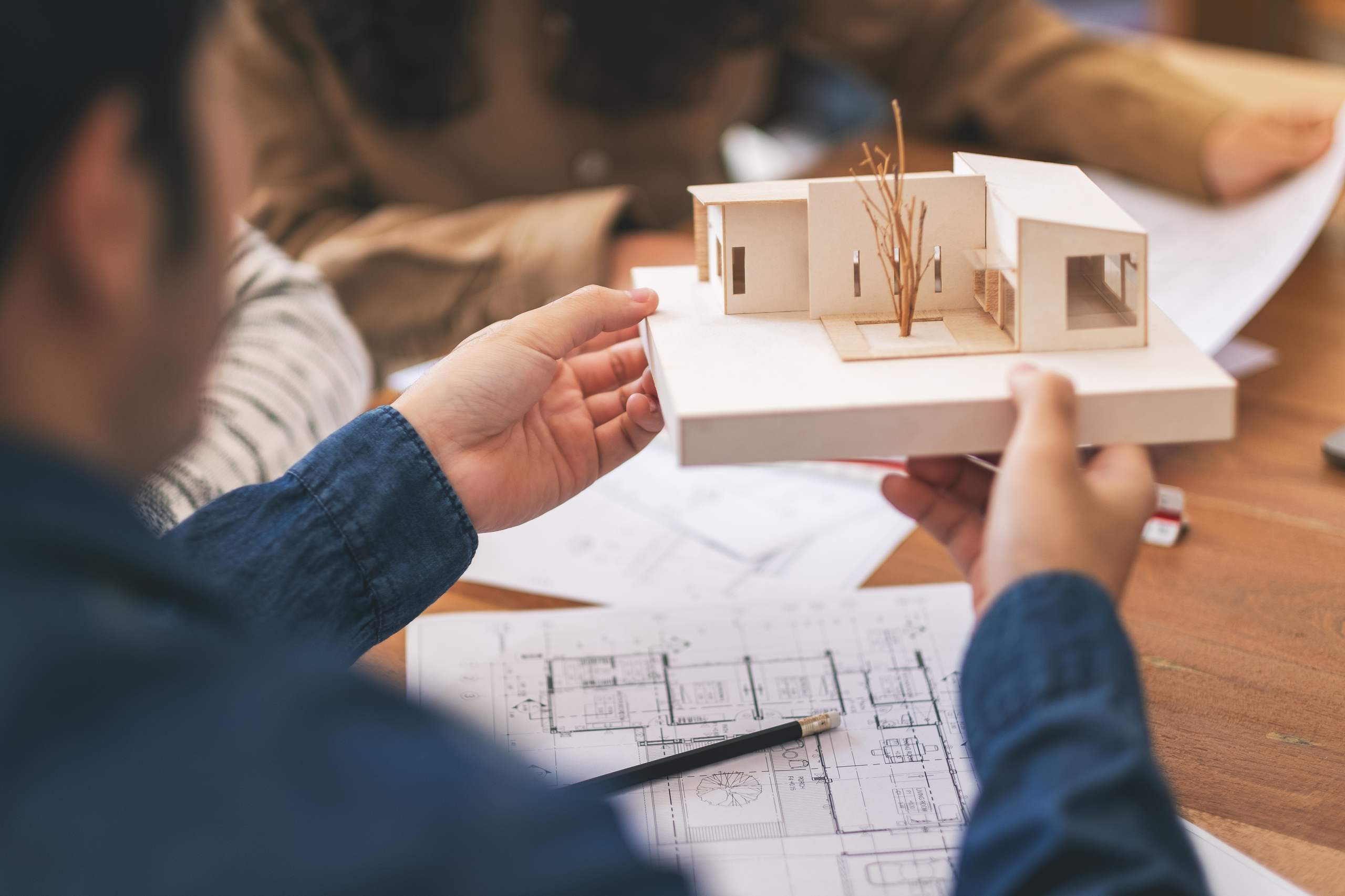
We often think about architecture in terms of buildings and structures, but architecture is, in fact, a language. It is a way of communicating ideas, culture, technology, and human needs through the physical world. Every stroke on a blueprint, every material selection, and every formal decision becomes part of the dialogue between inhabitants and the spaces they occupy.
Contemporary architectural design begins with the context. A building does not stand in a vacuum; it exists within a city, a climate zone, and a specific community. Architects must analyze human movement patterns, the daily path of the sun, and the nuances of local cultural identity. These insights serve as the bedrock for every project.
As the process moves forward, architects develop these ideas into defined systems. This phase encompasses spatial layout, structural logic, and functional circulation. Creativity here must be purposeful and disciplined. Designers ensure that each component is meaningful and that it contributes to the overarching design goal. Modern architectural design is not just about making things look good; it is a process of solving problems in the most rational way possible.
Today, digital tools have fundamentally redefined the field. While manual drawing and sketching are still used, the architect’s primary focus shifts to complex software that enables simulation, testing, and visualization. These digital platforms allow for boundless experimentation, helping designers push the boundaries of form, streamline spatial arrangements, and forecast performance long before a shovel hits the ground.
Technology notwithstanding, the ultimate metric of success remains the human experience. Architecture impacts us physically and emotionally: does a space feel welcoming or oppressive, calming or chaotic? Every choice of illumination, acoustics, proportion, and texture plays a role in the human response. The most successful designs work to enrich daily life seamlessly, without demanding attention.
Sustainability, too, is now a central tenet. Modern architects have a duty to minimize environmental footprints by utilizing eco-friendly materials, maximizing energy efficiency, and adopting forward-thinking strategies. The buildings of tomorrow are not designed with only today in mind; they are constructed to endure and adapt to the needs of the future.
Ultimately, architectural design is a dynamic process of growth. It is the art of blending imagination, reason, innovation, and compassion into a unified practice that shapes our world. As our urban landscapes expand and shift, the role of architecture in defining the human experience will only grow more profound.
StructDesignPro is designed to demystify this evolving design language. It equips aspiring architects with the tools to progress from basic conceptual thinking to professional expertise.